

- Written by: Team Vura
Why Do Tiles Crack or Come Loose? Common Causes and Prevention Tips
When you invest in new tiles, you expect them to last for years. You spend time choosing the right colour, texture, finish, and design to create a beautiful space. Once the installation is complete, everything looks perfect.
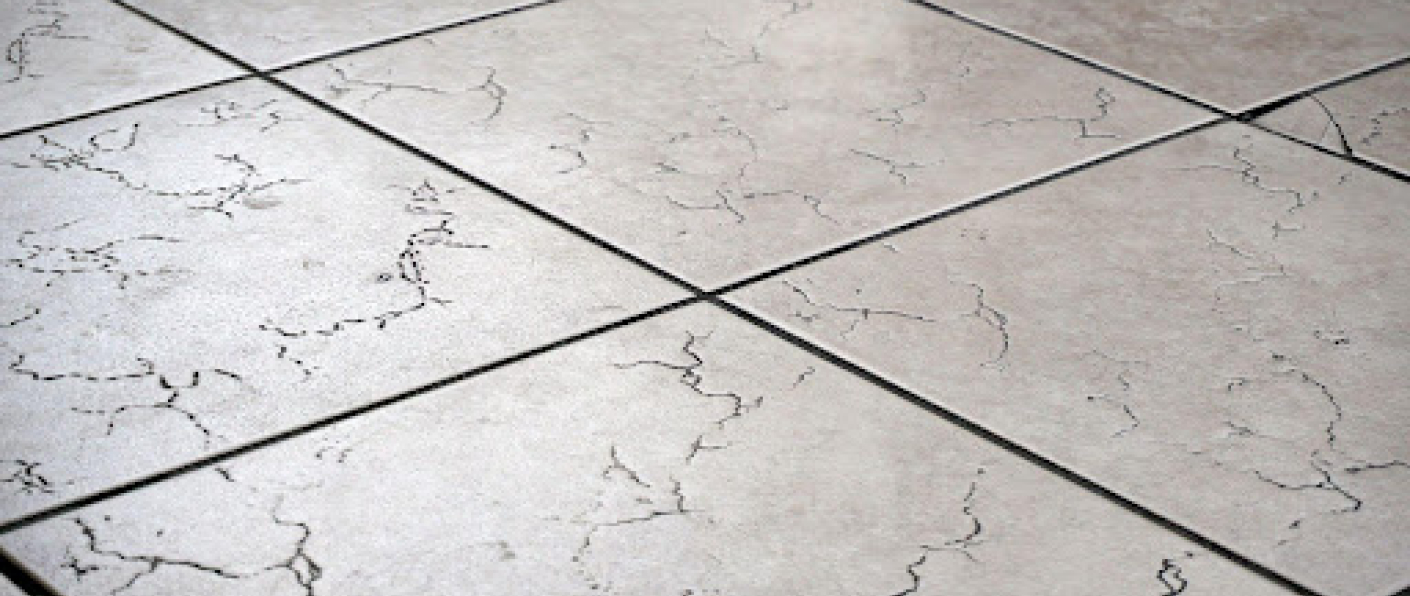
But after a few months or even years, you start noticing something unusual. A tile sounds hollow when you walk on it. A corner begins to lift. Small cracks appear, and before long, what was once a flawless floor or wall turns into an expensive repair project.
Most people immediately blame the quality of the tiles. However, in reality, tiles are rarely the reason behind these problems.
At VURA, we have worked closely with builders, contractors, architects, and homeowners who face these issues every day. Through our range of premium tile adhesives, waterproofing solutions, and construction chemicals, we understand that the real strength of any tiled surface lies beneath the tile itself.
A successful tile installation is not just about choosing beautiful tiles. It depends on proper surface preparation, selecting the right tile adhesive, using quality waterproofing systems, and following correct installation practices.
In this guide, VURA explains why tiles crack or come loose, the most common installation mistakes, and how you can avoid them to achieve strong, durable, and long-lasting tiled surfaces.
Why Do Tiles Crack or Come Loose?
Tiles are designed to handle daily wear, heavy foot traffic, moisture, and changing weather conditions. Whether installed in homes, offices, hotels, shopping malls, hospitals, or commercial buildings, quality tiles can easily last for decades when installed correctly.
However, every tile installation depends on a complete installation system.
A weak substrate, poor workmanship, low-quality tile adhesive, or inadequate waterproofing can slowly weaken the bond between the tile and the surface. Eventually, this results in cracked tiles, loose tiles, hollow sounds, and costly repairs.
At VURA, we believe that preventing tile failure begins with choosing the right products from the start. Our complete range of tile adhesives, grouts, waterproofing products, and construction chemicals is developed to provide reliable performance for both residential and commercial construction projects.
Let's explore the most common reasons why tiles fail.
1. Poor Surface Preparation
Every successful tile installation starts with proper surface preparation.
Imagine constructing a building on unstable ground. No matter how strong the materials are, the structure will eventually develop problems.
The same principle applies to tile installation.
If the surface is dusty, uneven, oily, damp, or structurally weak, even the best tile adhesive cannot create a reliable bond.
Unfortunately, many installers rush this important step to save time.
As a result, the adhesive cannot properly grip the surface, increasing the chances of loose tiles, hollow spots, and cracks in the future.
Before beginning any tile installation, VURA recommends ensuring that the substrate is:
• Clean and dust-free
• Completely dry
• Properly levelled
• Free from grease or loose particles
• Structurally sound
Proper preparation allows VURA tile adhesives to deliver maximum bonding strength and long-lasting performance.
2. Using the Wrong Tile Adhesive
One of the biggest mistakes in modern construction is assuming that one adhesive works for every type of tile.
Today's projects use a wide variety of materials, including:
• Ceramic tiles
• Porcelain tiles
• Vitrified tiles
• Natural stone
• Large-format slabs
Each material has different characteristics and requires a specific type of adhesive.
For example, porcelain and vitrified tiles absorb very little water, making them much harder to bond using traditional cement mortar.
This is why professional installers prefer high-performance tile adhesives instead of conventional methods.
At VURA, we manufacture advanced tile adhesive solutions for different applications, including:
• Tile adhesive for ceramic tiles
• Porcelain tile adhesive
• Vitrified tile adhesive
• Waterproof tile adhesive
• Tile adhesive for bathrooms
• Tile adhesive for balconies
• Tile adhesive for exterior walls
• Tile adhesive for large-format tiles
Choosing the right VURA tile adhesive improves bonding strength, reduces tile movement, and significantly increases the lifespan of the installation.
3. Hollow Tiles: An Early Warning Sign
Have you ever tapped on a tile and noticed a hollow sound?
Many homeowners ignore it because the tile still looks perfectly fine.
However, hollow tiles are often the first warning sign that something is wrong beneath the surface.
Hollow sounds usually occur when there are empty gaps between the tile and the substrate.
These gaps reduce the contact area between the adhesive and the tile, creating weak points throughout the installation.
Over time, these weak spots may lead to:
• Tile cracking
• Loose tiles
• Water penetration
• Tile debonding
• Expensive repairs
At VURA, we recommend applying adhesive evenly with the correct notched trowel and ensuring full adhesive coverage beneath every tile.
Using premium VURA tile adhesives helps minimise hollow spots while creating stronger and more consistent tile bonding.
4. Weather and Temperature Changes
Tiles don't move—but buildings do.
Throughout the year, every building expands and contracts as temperatures change.
This movement may be small, but it places continuous stress on tiled surfaces.
Outdoor areas such as:
• Balconies
• Terraces
• Exterior walls
• Walkways
• Swimming pool surrounds
Experience constant exposure to heat, rain, and temperature fluctuations.
Without flexible tile adhesive systems, tiles may begin lifting, cracking, or separating from the substrate.
VURA develops weather-resistant tile adhesive solutions that are designed to handle thermal movement while maintaining strong bonding performance in demanding environments.
This is particularly important for outdoor tile installations where durability is essential.