


- Written by: Team Vura
Top 10 Tiling Mistakes to Avoid
A beautiful home is built on a foundation of quality, and your flooring is no exception. Whether you are a homeowner planning a renovation or a contractor looking to improve site efficiency, avoiding common tiling mistakes is the fastest way to save money and ensure your floors last for decades.
In the Indian construction sector, where high humidity and temperature fluctuations are common, installation errors can lead to hollow sounds, popped tiles, and water seepage. Here are the top 10 tiling mistakes you must avoid to achieve a professional, long-lasting finish.
1. Skipping Surface Preparation
The most common mistake is laying tiles on a dusty, greasy, or uneven surface. Adhesive cannot bond to dust or debris. Always clean the substrate thoroughly and ensure it is level. If the base is uneven, use a self-leveling compound before you begin.
2. Using Traditional Cement Mortar for Modern Tiles
Many still rely on the old "sand-cement slurry" method. Modern vitrified and porcelain tiles have extremely low porosity, meaning traditional cement cannot grip them effectively. You need a specialized tile fixing solution India experts trust. Switching to a high-performance adhesive ensures a stronger, more reliable bond.
3. Choosing the Wrong Adhesive
Not all adhesives are the same. Using a standard adhesive for a high-traffic area or a large slab is a recipe for failure. For example, if you are working with non-porous vitrified tiles, you must use a dedicated tile adhesive for vitrified tiles India has formulated to bond with dense surfaces.
4. Ignoring Expansion Joints
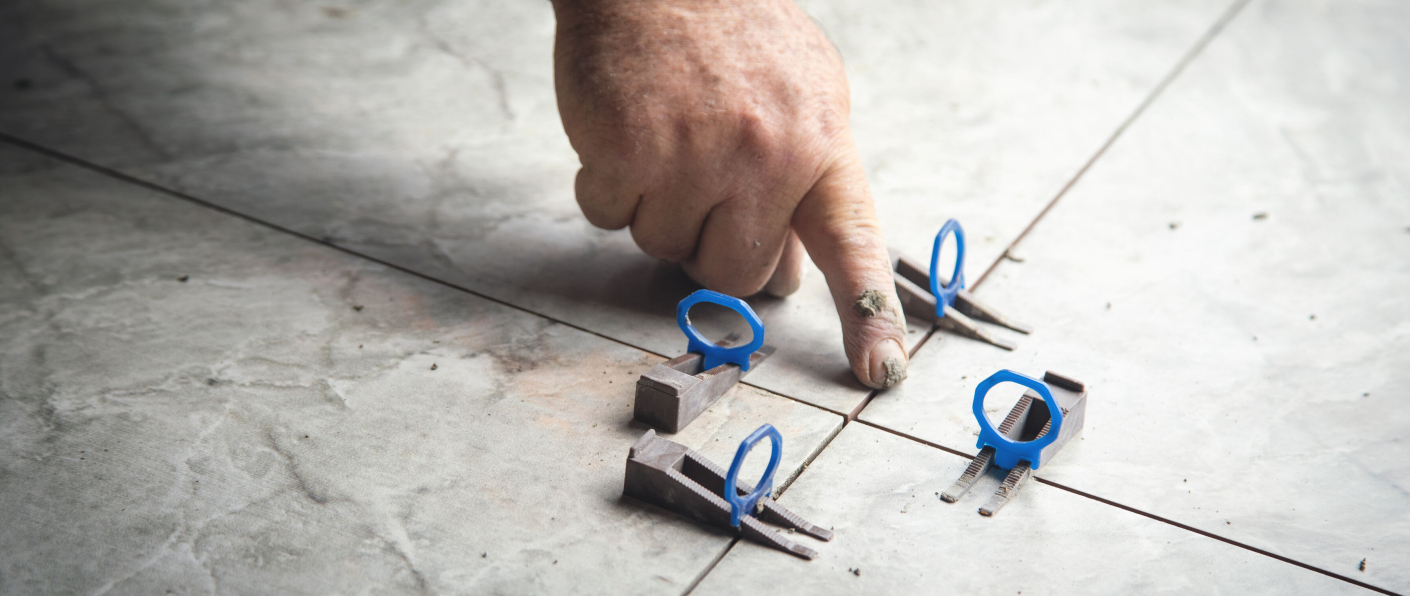
Tiles expand and contract with changing temperatures. If you butt-joint tiles tightly against each other, they will eventually "tent" or pop up. Always leave a 2–3mm gap using spacers. For large areas, use a flexible tile adhesive S1 S2 India standards recommend, which is designed to handle this movement without cracking.
5. Neglecting Waterproofing in Wet Areas
Bathrooms, balconies, and kitchens are prone to water seepage. Skipping the waterproofing layer causes moisture to migrate under the tiles, destroying the bond. Always apply a high-quality waterproof tile adhesive India professionals recommend to create a protective barrier against moisture.
6. Spot Bonding (Dot and Dab)
Never apply adhesive only to the corners and center of the tile. This creates large air pockets, leaving the tile unsupported. If a heavy object falls on an air pocket, the tile will crack. Always use a notched trowel to spread adhesive evenly across the entire surface for 100% contact.
7. Overlooking the "Open Time" of Adhesives
Every adhesive has an "open time"—the window during which the adhesive remains sticky enough to bond. If you spread too much adhesive at once, it may skin over before you place the tile. Work in small sections and always check the packaging instructions.
8. Not Using the Right Trowel Size
A trowel that is too small won't create the necessary ridges for a proper bond. For larger tiles, you need a larger notch size. Using the right tool ensures the adhesive is applied at the correct depth, which is essential when working with a polymer modified tile adhesive India contractors prefer for its superior strength.
9. Rushing the Curing Process
Walking on tiles or grouting too soon after installation can shift the tiles and weaken the bond. Patience is key. Allow the adhesive to cure fully—typically 24 to 48 hours—before allowing foot traffic or starting the grouting process.
10. Buying Based on Price, Not Performance
When it comes to your home's flooring, the best tile adhesive in India is an investment in durability. Cheap, low-quality adhesives often fail within months, leading to expensive repairs. Quality materials reduce the risk of future maintenance and keep your floors looking new for years.
Conclusion: Do It Right the First Time
Tiling is a long-term investment. By avoiding these common tiling mistakes and choosing the right materials for the job, you guarantee a floor that is both aesthetically stunning and structurally sound.
If you are starting a project, don't compromise on your materials. Whether you need a tile fixing solution India can rely on or specific adhesives for vitrified or outdoor tiling, always choose products that match your specific site requirements.