


- Written by: Team Vura
How to Fix Wall Seepage Permanently
Wall seepage is a homeowner’s nightmare. From damp patches and peeling paint to structural damage and mold growth, moisture ingress can destroy your home's aesthetics and integrity. In the Indian climate, where high humidity and intense monsoon seasons are the norm, finding a permanent wall seepage solution in India is essential.
While many opt for temporary paint fixes, the secret to a dry home lies in the foundation and the tile fixing solution in India you choose. In this guide, we reveal how to stop seepage at the source.
1. Identify the Source: Why Do Walls Leak?
Seepage often occurs due to external water entry, poor waterproofing, or the use of improper binding materials. When tiles or wall claddings are fixed with traditional cement, they fail to provide a barrier against water.
Over time, cement develops hairline cracks, allowing moisture to seep into the brickwork. To stop this, you need a high-performance waterproof tile adhesive in India that acts as both a bonding agent and a moisture barrier.
2. The Solution: Upgrade to Professional-Grade Adhesives
If you are considering tiling your walls to prevent dampness, avoid traditional mortar. Modern, polymer modified tile adhesive in India is specifically designed to resist water penetration.
Why VURA is the Best Tile Adhesive in India for Walls:
- Superior Moisture Resistance: Our waterproof tile adhesive in India creates an impervious layer, preventing water from reaching the wall substrate.
- Flexibility is Key: Walls experience thermal expansion. Our flexible tile adhesive (S1/S2 in India) absorbs wall movement, preventing cracks that usually lead to seepage.
- Perfect for Modern Tiles: If you are using heavy or low-porosity tiles, you need a specialized tile adhesive for vitrified tiles in India. VURA’s high-grab technology ensures these tiles stay firmly in place without sagging.
3. Comparison: Traditional Cement vs. VURA Professional Solutions
| Feature | Traditional Cement | VURA Adhesive Solutions |
|---|---|---|
| Waterproofing | None (Highly Absorbent) | Excellent (Water-Resistant) |
| Flexibility | Rigid (Prone to Cracking) | S1/S2 (High Elasticity) |
| Bond Strength | Weak on Non-porous surfaces | Extremely High (Advanced Polymer) |
| Long-term Durability | Low | Very High |
4. Step-by-Step: How to Permanently Fix Seepage
- Surface Treatment: Strip the old paint and loose plaster. Apply a dedicated waterproofing primer.
- Select the Right Material: For moisture-prone walls, use a polymer modified tile adhesive to install your tiles.
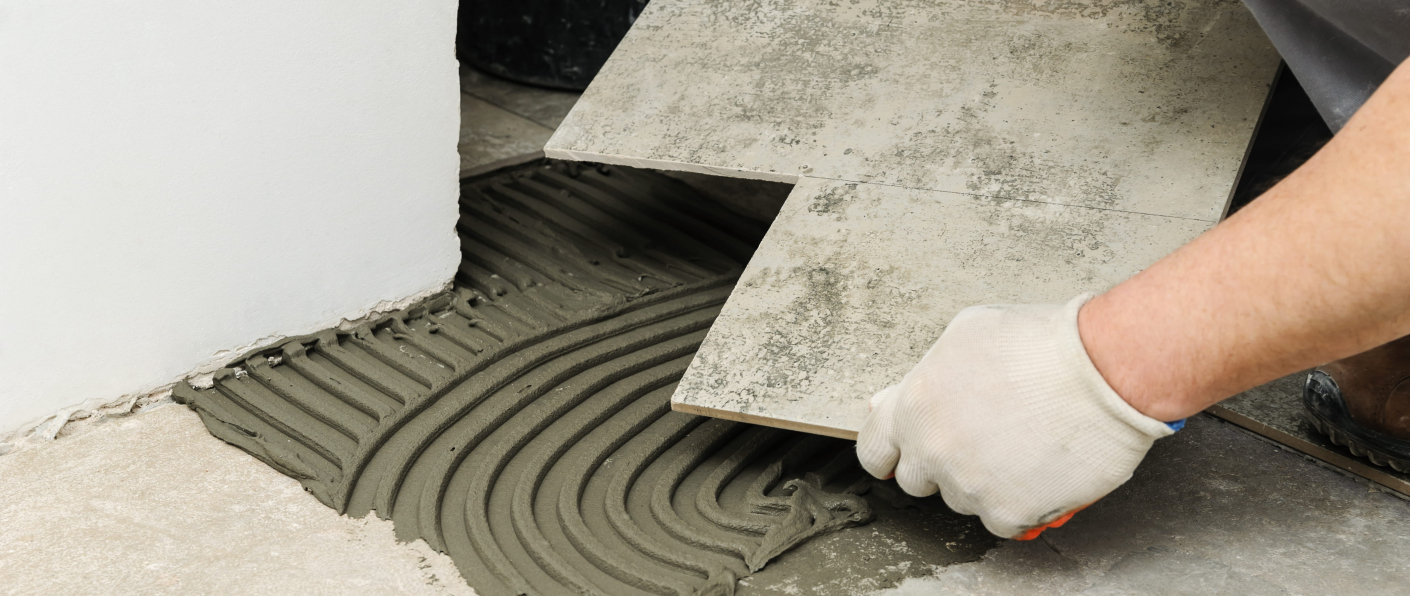
- Correct Application: Ensure full coverage. Use a notched trowel to apply the tile fixing solution in India. This minimizes voids where water could collect.
- Professional Grouting: After the adhesive sets, use water-resistant grout to seal all joints, ensuring a 100% watertight finish.