


- Written by: Team Vura
Best Waterproofing Chemical for Roof, Bathroom & Concrete Protection
Introduction
Water leakage is one of the most common problems in residential, commercial, and industrial construction projects. Continuous moisture exposure can weaken concrete structures, damage interior finishes, create mold growth, and reduce the lifespan of buildings. This is why modern construction projects increasingly use waterproofing chemicals for long-term structural protection.
Waterproofing chemicals are specially designed to prevent water penetration in roofs, terraces, bathrooms, basements, exterior walls, and concrete structures. Compared to traditional waterproofing methods, modern chemical waterproofing systems provide better flexibility, stronger bonding, crack resistance, and long-lasting performance.
In this guide, we explain everything about waterproofing chemicals, including types, benefits, applications, waterproofing methods, and how to choose the best waterproofing construction chemical for modern projects.
What is Waterproofing Chemical?
Waterproofing chemical is a specially formulated construction chemical designed to protect surfaces and structures from water penetration and moisture damage.
These chemicals are widely used in:
• Roof waterproofing
• Bathroom waterproofing
• Concrete waterproofing
• Basement protection
• Swimming pools
• Exterior walls
• Balconies and terraces
Modern waterproofing systems improve:
• Water resistance
• Crack protection
• Structural durability
• Surface flexibility
• Moisture control
Waterproofing chemicals are essential for extending the lifespan of buildings and reducing maintenance costs.
Why Waterproofing is Important in Construction
Water damage can create serious structural and interior problems over time.
Without proper waterproofing, buildings may develop:
• Concrete cracks
• Wall dampness
• Paint peeling
• Mold growth
• Tile damage
• Steel corrosion
• Structural weakening
Using modern construction waterproofing chemicals helps protect buildings from long-term moisture damage.
Types of Waterproofing Chemicals
Acrylic Waterproofing
Acrylic waterproofing systems provide flexible waterproof coatings suitable for roofs, exterior walls, terraces, and concrete surfaces.
Benefits include:
• UV resistance
• Crack bridging
• Weather protection
• Flexible coating performance
Acrylic polymer waterproofing is commonly used in exterior applications exposed to sunlight and rain.
Cementitious Waterproofing
Cementitious waterproofing is widely used for bathrooms, water tanks, basements, and concrete surfaces.
Benefits include:
• Strong adhesion
• Easy application
• Cement compatibility
• Moisture resistance
Elastomeric Waterproofing Coating
Flexible waterproofing coating systems are designed for areas exposed to movement and temperature variation.
These coatings provide:
• Crack resistance
• Elastic performance
• Waterproof membrane protection
• Long-term flexibility
They are widely used for:
• Roof waterproofing
• Terrace protection
• Exterior concrete surfaces
SBR Latex Waterproofing
SBR waterproofing chemicals improve:
• Bonding strength
• Water resistance
• Flexibility
• Crack reduction
SBR latex is commonly used in:
• Repair mortars
• Waterproof plaster
• Concrete repair
• Cement slurry bonding systems
Waterproofing Chemical for Roof Protection
Roofs are continuously exposed to:
• Rainwater
• UV sunlight
• Temperature changes
• Moisture accumulation
Without proper waterproofing, roofs may develop:
• Leakage
• Surface cracks
• Dampness
• Structural damage
Modern roof waterproofing chemicals provide:
• Flexible waterproof membranes
• UV resistance
• Crack protection
• Long-term durability
Acrylic and elastomeric waterproof coatings are widely used for roof waterproofing applications.
Waterproofing for Bathrooms
Bathrooms remain exposed to moisture every day.
Improper waterproofing can cause:
• Water seepage
• Tile damage
• Mold growth
• Damp walls
• Ceiling leakage
Using cementitious waterproofing systems improves:
• Water resistance
• Tile protection
• Surface durability
• Moisture control
Bathroom waterproofing is essential before tile installation.
Concrete Waterproofing Solutions
Concrete surfaces naturally contain pores that may absorb water over time.
Water penetration can lead to:
• Reinforcement corrosion
• Surface deterioration
• Concrete cracking
• Structural weakening
Modern concrete waterproofing chemicals help protect:
• Foundations
• Basements
• Retaining walls
• Water tanks
• Concrete slabs
Waterproof concrete systems improve structural life and reduce repair costs.
Waterproofing for Balconies & Terraces
Balconies and terraces face:
• Rain exposure
• Thermal expansion
• Surface movement
• Standing water
Ordinary coatings often fail under these conditions.
Flexible waterproofing chemicals improve:
• Crack resistance
• Surface flexibility
• Water protection
• Outdoor durability
Modern waterproof membranes are commonly used before tile installation on terraces and balconies.
| Waterproofing Chemicals | Traditional Methods |
|---|---|
| Better flexibility | Rigid performance |
| Strong crack resistance | Higher crack risk |
| Improved bonding | Limited adhesion |
| Faster application | Labor-intensive process |
| Better durability | Shorter lifespan |
| Suitable for modern structures | Limited performance |
Modern chemical waterproofing systems provide more reliable long-term protection.
How to Apply Waterproofing Chemical
Step 1: Surface Preparation
Ensure the surface is:
• Clean
• Dry
• Dust-free
• Crack repaired
Step 2: Mix the Material
Mix waterproofing chemicals according to manufacturer instructions.
Correct mixing improves performance and bonding.
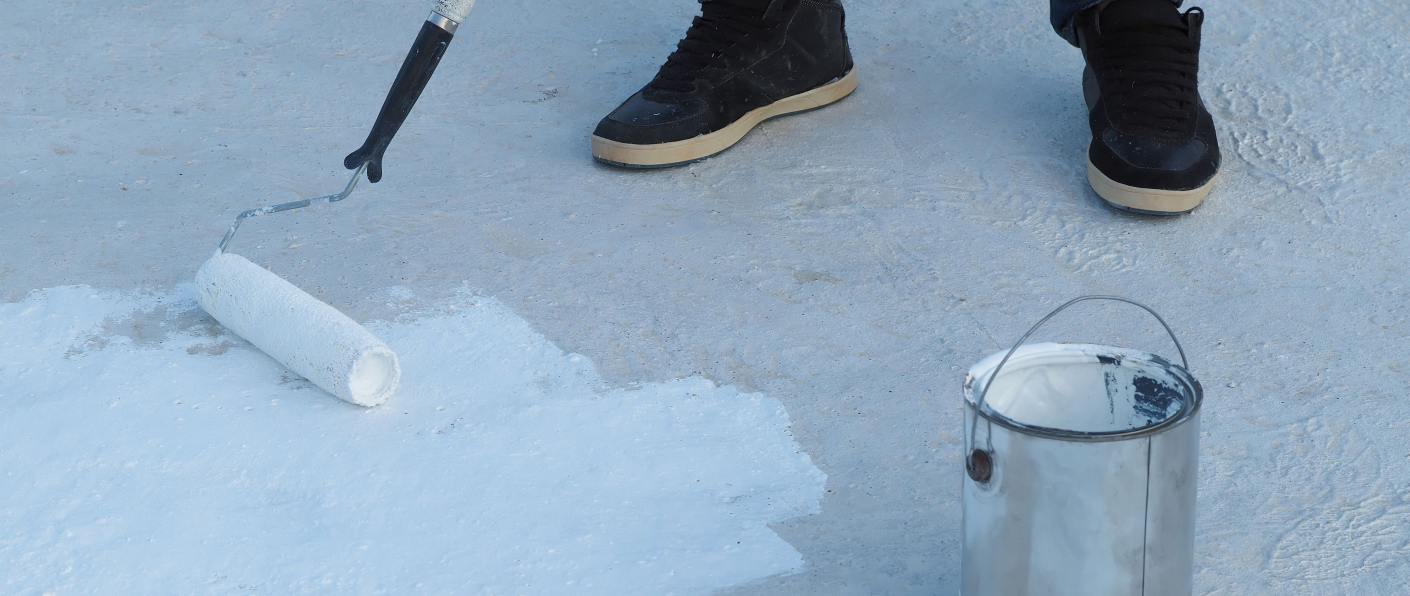
Step 3: Apply Waterproofing Layer
Use:
• Brush
• Roller
• Trowel
Apply uniform coating thickness across the surface.
Step 4: Allow Proper Curing
Protect the coated area from water exposure during curing.
Step 5: Apply Additional Coats if Required
Some waterproofing systems require multiple protective layers for better durability.
Common Waterproofing Mistakes
Ignoring Surface Cracks
Cracks should be repaired before waterproofing application.
Poor Surface Cleaning
Dust and loose particles reduce coating adhesion.
Incorrect Mixing Ratio
Improper mixing weakens waterproofing performance.
Insufficient Waterproofing Thickness
Thin coating layers may fail under long-term moisture exposure.
How to Choose the Best Waterproofing Chemical
Selecting the right waterproofing system depends on:
• Surface type
• Moisture exposure
• Structural movement
• Weather conditions
• Application area
For long-lasting performance, choose waterproofing chemicals with:
• Crack resistance
• Strong adhesion
• Flexibility
• UV resistance
• Water protection
Modern waterproofing construction chemicals improve structural durability in residential and commercial projects.
FAQs
What is waterproofing chemical?
Waterproofing chemical is a construction material designed to protect buildings and surfaces from water penetration and moisture damage.
Which waterproofing chemical is best for roofs?
Flexible acrylic and elastomeric waterproof coatings are widely used for roof waterproofing applications.
Is cementitious waterproofing good for bathrooms?
Yes. Cementitious waterproofing is commonly used for bathrooms because of its strong water resistance and compatibility with tile installations.
Can waterproofing chemicals prevent concrete cracks?
Waterproofing systems help reduce moisture penetration and improve crack resistance, especially flexible coatings.
What is acrylic waterproofing?
Acrylic waterproofing is a flexible polymer-based waterproof coating used for roofs, terraces, and exterior surfaces.
Why is waterproofing important in construction?
Waterproofing protects buildings from leakage, dampness, structural damage, and long-term moisture problems.
Can waterproofing chemicals be used on terraces and balconies?
Yes. Flexible waterproofing systems are commonly used on terraces and balconies to protect surfaces from rainwater, movement, and weather exposure.
How long does waterproofing last?
The lifespan depends on the product type, application quality, and exposure conditions. High-quality waterproofing systems can provide long-term protection when properly maintained.
What are the benefits of waterproofing chemicals?
Waterproofing chemicals improve water resistance, crack protection, adhesion, flexibility, durability, and overall building lifespan.
Can waterproofing reduce maintenance costs?
Yes. Proper waterproofing helps prevent leakage, dampness, structural damage, and costly repairs, reducing long-term maintenance expenses.
Conclusion
Modern construction projects require advanced waterproofing systems that provide long-term protection against moisture, leakage, and structural damage. Compared to traditional waterproofing methods, waterproofing chemicals offer better flexibility, stronger adhesion, crack resistance, and improved durability for roofs, bathrooms, terraces, and concrete structures.
Whether it is residential waterproofing, commercial construction, or industrial concrete protection, selecting the right waterproofing chemical is essential for improving building performance and reducing future maintenance costs.
Proper waterproofing not only protects the structure but also increases the lifespan and reliability of modern buildings.